
Private label silicone products allow brands to sell silicone products under their own brand name without building their own factory. A professional silicone manufacturer handles product development, mold making, material selection, production, quality control, logo customization, and packaging.
For brands, wholesalers, importers, and distributors, private labeling is a practical way to build a product line, differentiate from competitors, and develop a recognizable brand.
However, choosing the right manufacturing partner is more important than simply finding the lowest factory price. Before placing an order, buyers should understand five key factors:
Product selection: Choose products that match your target customers and market demand.
Material quality: Confirm that the silicone material meets the requirements of the intended application.
Customization: Decide whether you need an existing product with your logo or a completely custom design.
MOQ and cost: Understand minimum order quantities, mold fees, packaging costs, and production expenses.
Quality control: Confirm how the manufacturer inspects products before shipment.
This guide explains how private label silicone manufacturing works, what it costs, how to select a reliable supplier, and how to avoid common purchasing mistakes.
Private label silicone products are products manufactured by a third-party factory and sold under your own brand name.
You do not need to own production equipment or operate a manufacturing facility. Instead, you work with a silicone manufacturer that produces products according to your requirements.
For example, a baby product brand might purchase silicone feeding bowls from a Chinese manufacturer, add its own logo, choose customized colors, and package the products in branded retail boxes.
The finished products are then sold under the brand owner's name.
These terms are often used in manufacturing, but they describe slightly different cooperation models.
| Model | How It Works | Best For |
|---|---|---|
| Private Label | Sell manufactured products under your own brand | Brands and wholesalers |
| OEM | Factory manufactures according to your design and specifications | Buyers with their own designs |
| ODM | Factory provides product designs that can be customized | Buyers without a complete design |
| White Label | Select an existing product and add your branding | Businesses seeking a simpler launch |
Which model should you choose?
If you already have product drawings, choose OEM.
If you have an idea but need help developing the product, choose ODM.
If you want to add your logo to an existing silicone product, choose private label or white label.
In practice, private label projects often combine OEM and ODM services.
Silicone is used in many consumer product categories because it is flexible, durable, and suitable for different product designs.
Rather than launching products across too many categories, brands should start with products that match their existing customers.
Here are some popular product categories worth considering.
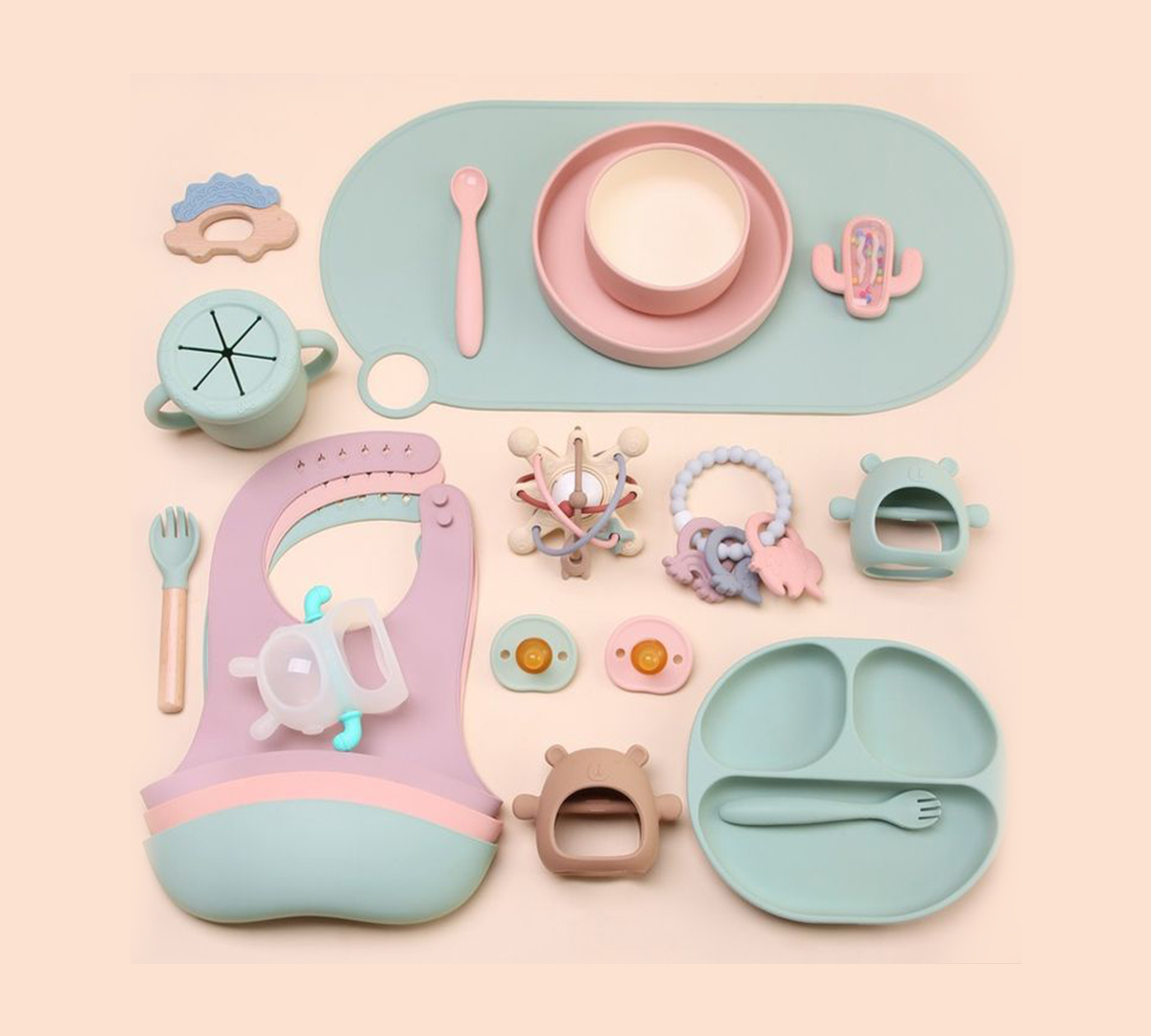
Suitable for baby brands, children's product distributors, and retailers.
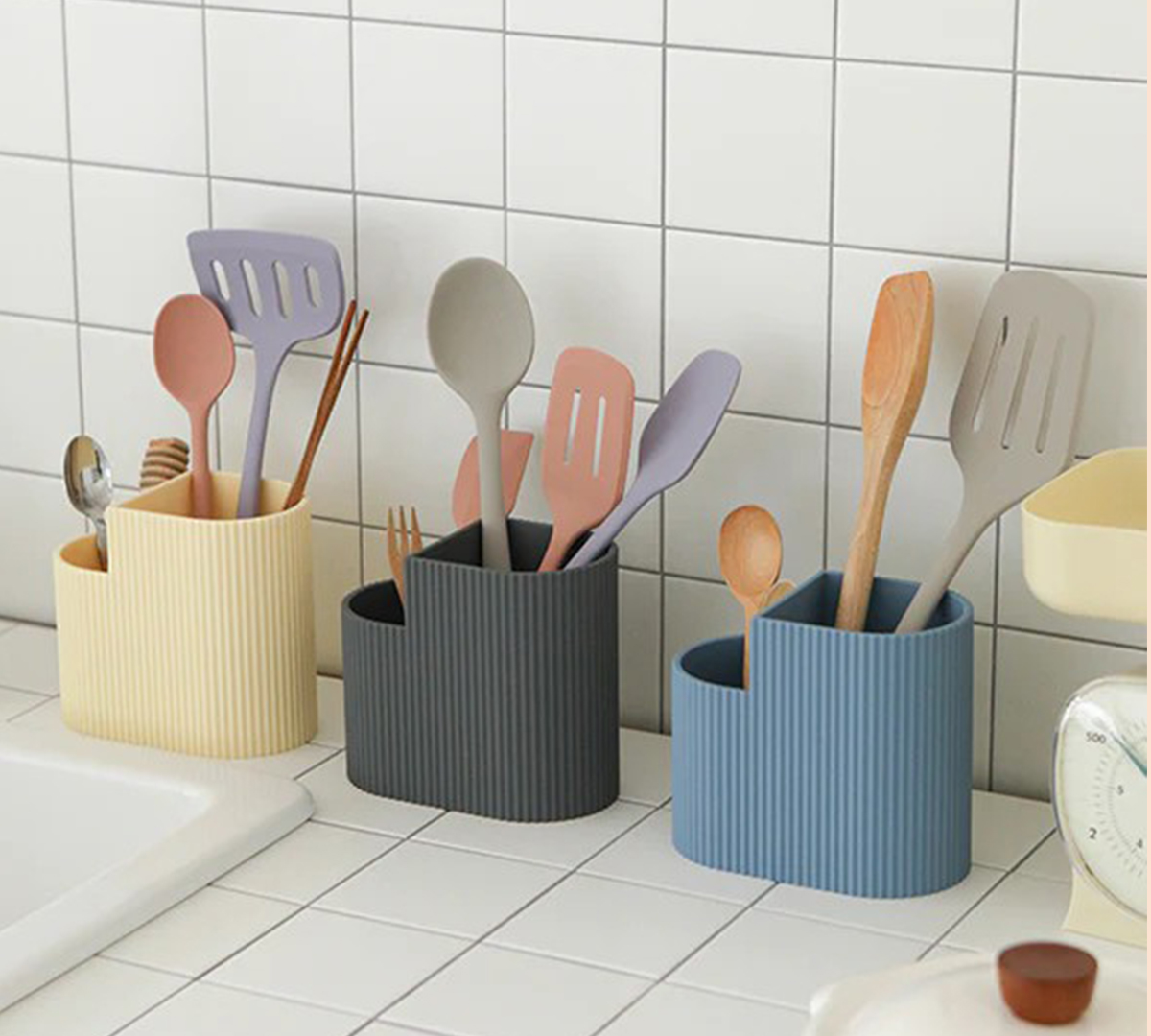
Suitable for kitchenware brands, home goods wholesalers, and e-commerce sellers.
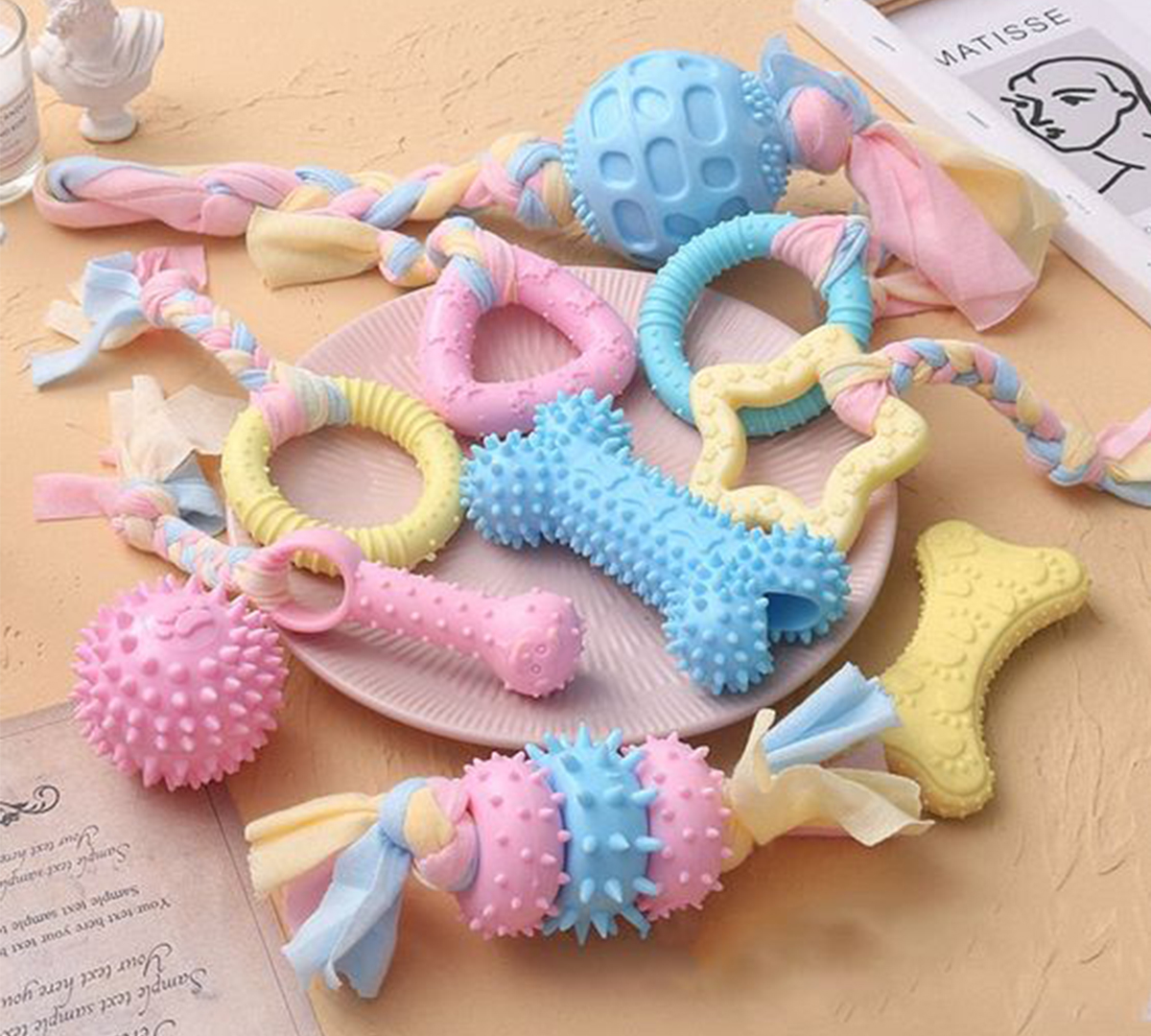
Slow feeder bowls, licking mats, pet feeding accessories, and grooming products.
Suitable for pet brands and pet supply distributors.
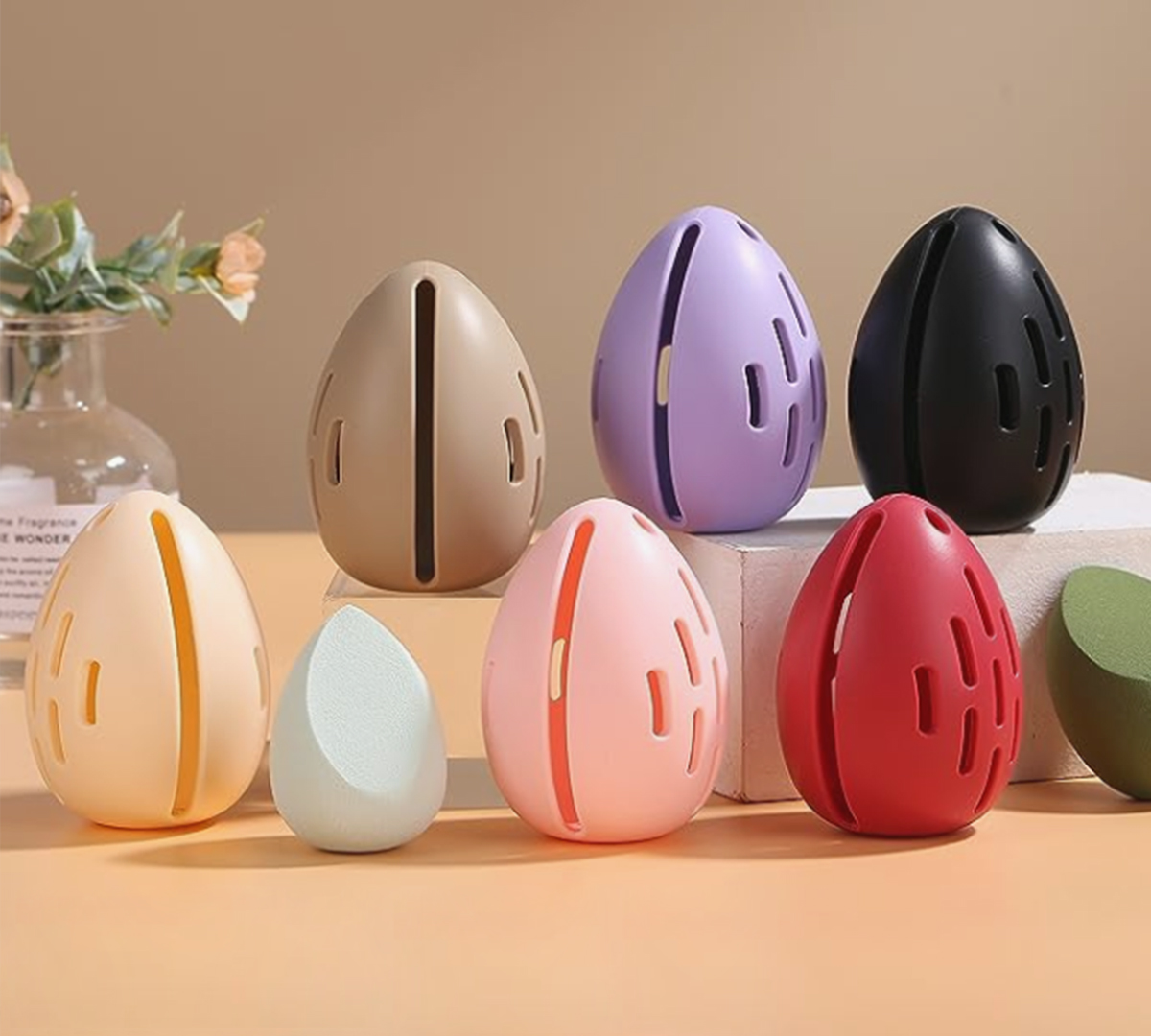
Travel bottles, household organizers, personal care accessories, and reusable everyday products.
Suitable for lifestyle brands and general merchandise wholesalers.
A practical recommendation: Start with 3–5 related products rather than ordering a large number of unrelated items. This makes it easier to control inventory, maintain consistent product quality, and establish a clear brand identity.
A private label project generally involves seven steps, from product selection to final delivery.
| Step | What Happens | What Buyers Should Prepare |
|---|---|---|
| 1. Product Selection | Choose existing or custom silicone products | Product ideas, reference images |
| 2. Design & Specifications | Confirm size, shape, color, and functions | Drawings, dimensions, requirements |
| 3. Mold Development | Create or modify the production mold | 3D files or approved samples |
| 4. Sample Production | Make samples for testing and approval | Sample feedback and revisions |
| 5. Mass Production | Manufacture products according to approved samples | Order quantity and specifications |
| 6. Branding & Packaging | Add logos, labels, and customized packaging | Logo files and packaging artwork |
| 7. Quality Inspection & Shipping | Inspect finished goods and arrange delivery | Inspection requirements and shipping details |
The actual timeline depends on product complexity, mold development, sample revisions, order quantity, and factory capacity.
A typical planning estimate is:
| Production Stage | Estimated Time |
|---|---|
| Product design confirmation | 2–5 days |
| Mold development | 7–15 days |
| Sample production and approval | 3–7 days |
| Mass production | 7–30 days |
| Packaging and final inspection | 2–5 days |
These are indicative planning ranges, not guaranteed lead times. Some custom projects require additional time, especially when new molds or complicated designs are involved.
Buyer tip: Always ask the factory to confirm whether the quoted production lead time starts after sample approval, deposit payment, or mold completion.
There is no fixed price for private label silicone products. The total cost depends on product size, material, design complexity, production quantity, logo method, and packaging.
For buyers, it is important to understand that the unit price is only one part of the total investment.
| Cost Item | What It Includes | Can It Be Reduced? |
|---|---|---|
| Product Cost | Silicone material and manufacturing | Yes, through quantity and design optimization |
| Mold Cost | Mold design, development, and testing | Sometimes, by using existing molds |
| Logo Cost | Embossing, debossing, printing, or engraving | Yes, depending on the method |
| Packaging Cost | Custom boxes, labels, inserts, and bags | Yes, through simpler packaging |
| Testing Cost | Product and material compliance testing | Depends on market requirements |
| Shipping Cost | Transportation, customs, and related fees | Yes, through shipping optimization |
| Comparison | Existing Mold | Custom Mold |
|---|---|---|
| Initial Investment | Usually lower | Usually higher |
| Development Time | Usually shorter | Usually longer |
| Product Design | Limited to existing shapes | Designed to your requirements |
| Brand Differentiation | Mainly through colors and branding | Greater design flexibility |
| Best For | New brands and market testing | Established brands and unique products |
Our suggestion: If you are entering the silicone product market for the first time, consider starting with existing molds and customized branding. Once you understand customer demand, you can invest in original designs and dedicated molds.
MOQ means Minimum Order Quantity. It is the smallest quantity a manufacturer is willing to accept for a particular order.
MOQ varies according to the product, manufacturing process, color, mold requirements, and packaging.
For example:
Existing products with a logo may have a relatively lower MOQ.
Custom colors may require a higher minimum quantity.
Completely new products may require additional mold investment.
Custom retail packaging may have a separate minimum order quantity.
Never assume that all products from the same factory have the same MOQ.
When requesting a quotation, ask the manufacturer to provide prices at several quantities, such as 500, 1,000, and 3,000 pieces, where applicable.
Choosing the right factory is one of the most important decisions in a private label project.
A low quotation does not necessarily mean a better deal. Poor materials, inconsistent production, delayed delivery, and inadequate quality control can create much higher costs later.
Here are six factors to check before choosing a supplier.
Find out whether the supplier is an actual manufacturer or simply a trading company.
Ask about:
Factory location and production facilities.
Manufacturing experience with silicone products.
Available molding equipment.
Product categories and previous projects.
In-house design and mold development capabilities.
A manufacturer with its own production lines can generally offer better control over manufacturing schedules and product consistency.
Not all silicone materials are suitable for every application.
For food-contact products, buyers should request documentation relevant to the destination market and intended use.
For example:
In the United States, 21 CFR 177.2600 covers certain rubber articles intended for repeated food contact and includes silicone elastomers among the listed materials.
In the European Union, Regulation (EC) No 1935/2004 establishes general safety requirements for food-contact materials.
EU food-contact manufacturing is also subject to Good Manufacturing Practice requirements under Regulation (EC) No 2023/2006.
Important: A supplier saying that a product is FDA compliant or food grade is not enough. Ask for supporting documents and, where appropriate, test reports for the finished product.
Also remember that requirements for baby products, kitchenware, pet products, and other consumer goods may differ.
A good private label manufacturer should be able to support more than just printing your logo.
Check whether the factory can customize:
Product shape and dimensions.
Silicone colors.
Material hardness and product flexibility.
Logo placement and application.
Product functions and accessories.
Retail packaging and labels.
The more customization options a factory can support, the easier it is to develop a recognizable product line.
Before mass production, ask how the factory controls product quality.
A reliable quality inspection process should cover:
Raw material inspection.
Color and appearance checks.
Product dimensions.
Surface defects and molding quality.
Functional performance.
Final inspection before shipment.
For larger orders, buyers can also request pre-shipment inspection and agree on acceptable quality standards before production begins.
Ask whether the manufacturer has sufficient production capacity for your order.
A supplier may be able to produce a small sample order but struggle with larger quantities.
Confirm:
Available production lines.
Daily or monthly output.
Estimated production lead time.
Peak-season production arrangements.
Ability to handle repeat orders.
Good communication can prevent many manufacturing problems.
Your supplier should provide clear answers about product specifications, quotations, samples, production progress, and delivery arrangements.
A professional factory should also have a process for handling quality complaints and replacement or compensation discussions.
One major advantage of silicone manufacturing is the flexibility to customize product appearance and functions.
Here are the most common customization options.
| Customization | Available Options | Business Value |
|---|---|---|
| Color | Pantone-matched colors, custom color combinations | Creates brand consistency |
| Logo | Embossed, debossed, printed, engraved | Builds brand recognition |
| Shape | Existing or fully customized designs | Differentiates products |
| Size | Custom dimensions and thickness | Meets specific customer needs |
| Hardness | Different levels of softness and firmness | Improves product functionality |
| Packaging | Retail boxes, labels, inserts, and printed bags | Creates a professional retail appearance |
Embossed logo: Raised logo formed directly into the silicone surface. Durable and suitable for many products.
Debossed logo: Recessed logo molded into the product. Simple and long-lasting.
Screen or pad printing: Suitable for visible colored logos and more detailed designs, subject to the product surface and usage.
Laser marking: Can be used for selected silicone materials and designs, depending on the factory's process.
For most everyday silicone products, embossed or debossed logos are practical choices because the branding is integrated into the product itself.
Even experienced buyers can encounter problems when product requirements are not clearly confirmed.
Here are seven common mistakes worth avoiding.
| Common Mistake | Possible Problem | How to Avoid It |
|---|---|---|
| Choosing a supplier only by price | Inconsistent quality | Compare materials and specifications |
| Not confirming MOQ | Unexpected purchasing costs | Request MOQ for each customization |
| Skipping sample approval | Products differ from expectations | Approve a physical sample |
| Ignoring packaging requirements | Products are not retail-ready | Confirm artwork and packaging details early |
| Not checking compliance | Import or market access problems | Confirm destination-market requirements |
| Changing specifications during production | Delays and additional costs | Finalize specifications before production |
| Not defining inspection standards | Disputes over product quality | Agree on inspection criteria in advance |
One particularly important point: Never rely only on product photos when approving a custom order. Request physical samples whenever possible and keep an approved reference sample for mass production.
China has a well-developed silicone product manufacturing industry, making it an important sourcing destination for international brands, importers, and wholesale distributors.
Working directly with a factory can help buyers coordinate product development, mold making, manufacturing, branding, and packaging within one supply chain.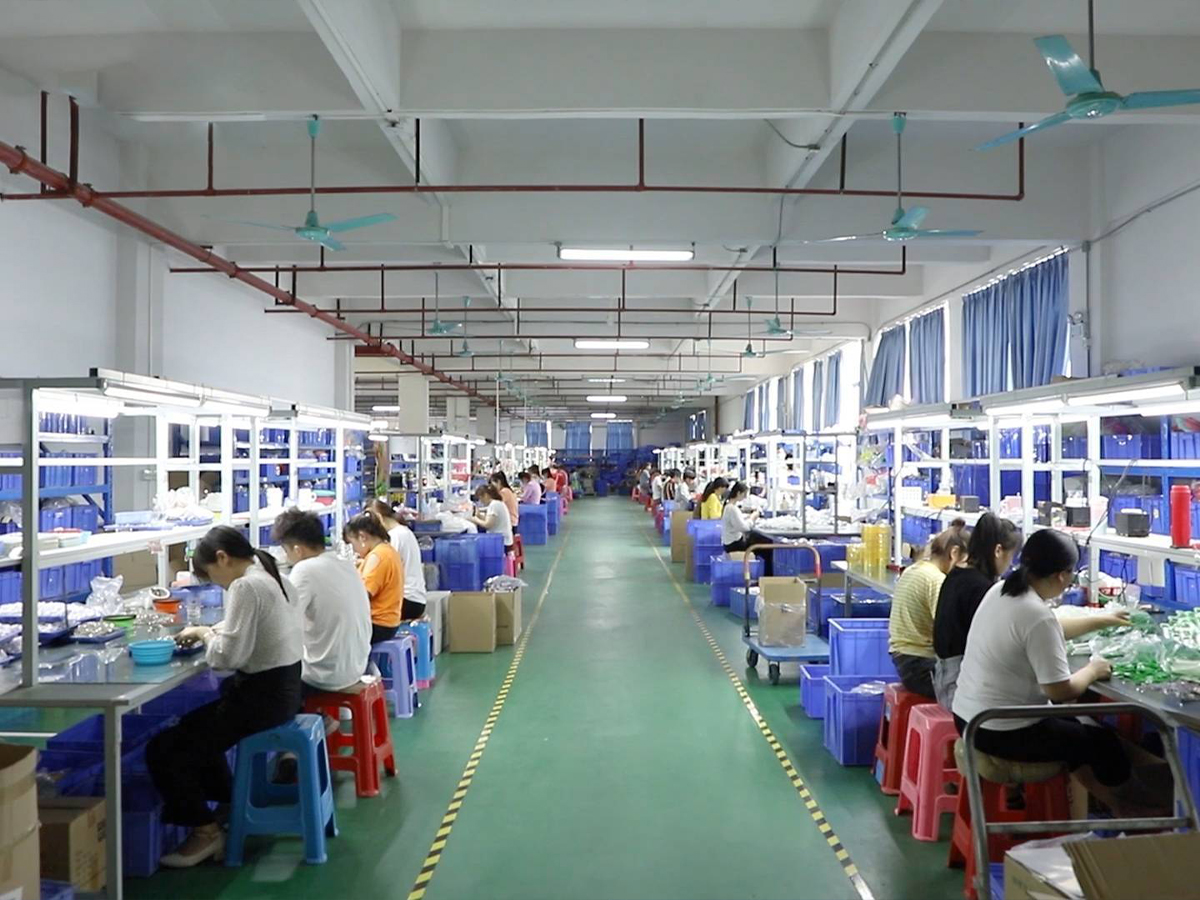
At Kangde Silicone, we specialize in B2B silicone product manufacturing and customized OEM & ODM solutions.
With over 23 years of manufacturing experience, we support international customers with:
One-Stop Manufacturing: Product design, mold development, prototyping, mass production, and customized packaging.
Wide Product Selection: Silicone kitchenware, baby products, pet supplies, daily necessities, and custom silicone products.
Production Capacity: More than 25 automated compression molding production lines.
Product Development: A dedicated 300㎡ R&D center and experienced designers.
Quality Management: ISO 9001 and ISO 14001 management systems, together with a multi-step quality inspection process.
Custom Branding: Customized colors, logos, product designs, and retail packaging.
Our goal is to help brands, wholesalers, and distributors develop reliable silicone product lines with flexible OEM and ODM manufacturing support.
Whether you need existing silicone products with your own logo or completely customized products from an original design, our team can support your project from concept to mass production.
Looking for a reliable private label silicone manufacturer?
Visit our website: https://www.kangdesilicone.com/
Contact: sales@kangdesilicone.com
Yes. Most silicone products can be customized with your brand logo. Common methods include embossing, debossing, screen printing, and other suitable marking techniques. You can also customize product colors and retail packaging.
MOQ depends on the product design, manufacturing process, colors, and packaging requirements. Existing products with logo customization generally offer more flexible ordering options than completely new designs. Ask the manufacturer for product-specific MOQ information.
Yes. Many OEM and ODM manufacturers can help develop products based on your ideas, reference images, sketches, or functional requirements. You do not necessarily need professional 3D drawings to start a project.
The cost depends on product complexity, mold design, dimensions, material requirements, and order quantity. A simple customized product may require less initial investment than a completely new product with a dedicated mold. Request a separate quotation for mold development, samples, unit prices, and packaging.
Yes, but products must meet the applicable requirements of their destination markets and intended uses. Food-contact products, children's products, and other regulated product categories may have different testing and documentation requirements. Confirm compliance before mass production.
Yes. Manufacturers can generally provide customized colors, logos, retail boxes, labels, and other packaging options. You can provide Pantone color references and packaging artwork to help achieve consistent branding.
Existing products with simple branding may have relatively short production schedules. Custom products requiring new molds, multiple sample revisions, or complicated packaging take longer. A typical project may require several weeks from design confirmation to completed production.
Prepare the following information:
Product name or reference pictures.
Product dimensions and specifications.
Estimated order quantity.
Desired silicone color.
Logo requirements.
Packaging requirements.
Destination country.
The more detailed your requirements, the more accurate the quotation will be.
Food-grade silicone is formulated and evaluated for specific food-contact applications. Ordinary silicone may not meet the same requirements. Buyers should request relevant compliance documents and finished-product test reports rather than relying only on a general material description.
This depends on the manufacturer's MOQ and production arrangements. Some factories offer more flexible quantities for existing products and initial brand testing. Once your products gain market acceptance, you can increase order quantities and develop more customized designs.
Private label silicone manufacturing provides an opportunity for businesses to develop their own product lines without investing in production facilities.
The key to a successful project is choosing the right products, working with a capable manufacturer, confirming product quality, and planning customization and packaging carefully.
For new brands, starting with existing silicone products and customized logos can reduce initial development costs. For established businesses, investing in original designs and custom molds can create stronger product differentiation.
The best manufacturing partner is not necessarily the cheapest supplier. It is the factory that understands your requirements, maintains consistent quality, communicates clearly, and supports your business as it grows.
If you are planning to launch your own silicone product brand, working directly with an experienced OEM and ODM manufacturer is a practical first step.


